
Selection Guide
Use this table to understand our model code structure.
For a configuration matched to your specific application — fluid type, pressure, flow, and material compatibility — our engineers are ready to help. Contact an Engineer →
Selection Table
| Series | Size | Body | Valve Seat | Valve Ball | Diaphragm | Connection Type |
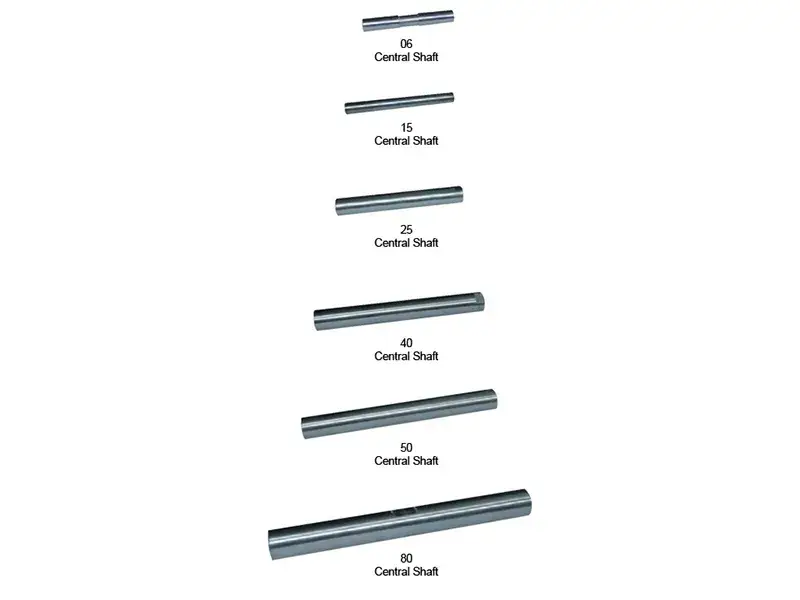
| GK-A, Aluminum Center Block | 06 = 1/4" (06 mm) | M = Acetal (AC) | F = PTFE | F = PTFE | F = PTFE | F = Flanged Connection; T = Threaded Connection |
| GK-S, Stainless Steel Center Block | 10 = 3/8" (10 mm) | P = Polypropylene (PP) | M = Acetal (AC) | C = Ceramic | H = Hytrel (HY) | - |
| GK-P, Plastic Center Block | 15 = 1/2" (15 mm) | A = Aluminum (ADC12) | S = SS304 | S = SS304 | T = Santoprene (SP) | - |
| - | 20 = 3/4" (20 mm) | S = SS304 | L = SS316 | L = SS316 | B = Buna-N (BN) | - |
| - | 25 = 1" (25 mm) | K = PVDF (KY) | H = Hytrel (HY) | H = Hytrel (HY) | V = Viton (VT) | - |
| - | 40 = 1-1/2" (40 mm) | D = Ductile Iron (DI) | T = Santoprene (SP) | T = Santoprene (SP) | E = EPDM | - |
| - | 50 = 2" (50 mm) | L = SS316 | V = Viton (VT) | B = Buna-N (BN) | - | - |
| - | 80 = 3" (80 mm) | G = SS316L | P = Polypropylene (PP) | V = Viton (VT) | - | - |
| - | - | - | K = PVDF (KY) | E = EPDM | - | - |
| - | - | - | G = SS316L (Stainless Steel 316L) | G = SS316L | - | - |
Model Code Examples
- GK-P-25PKFF-F
- GK-A-25ASFF-T
- GK-S-25SSSF-F
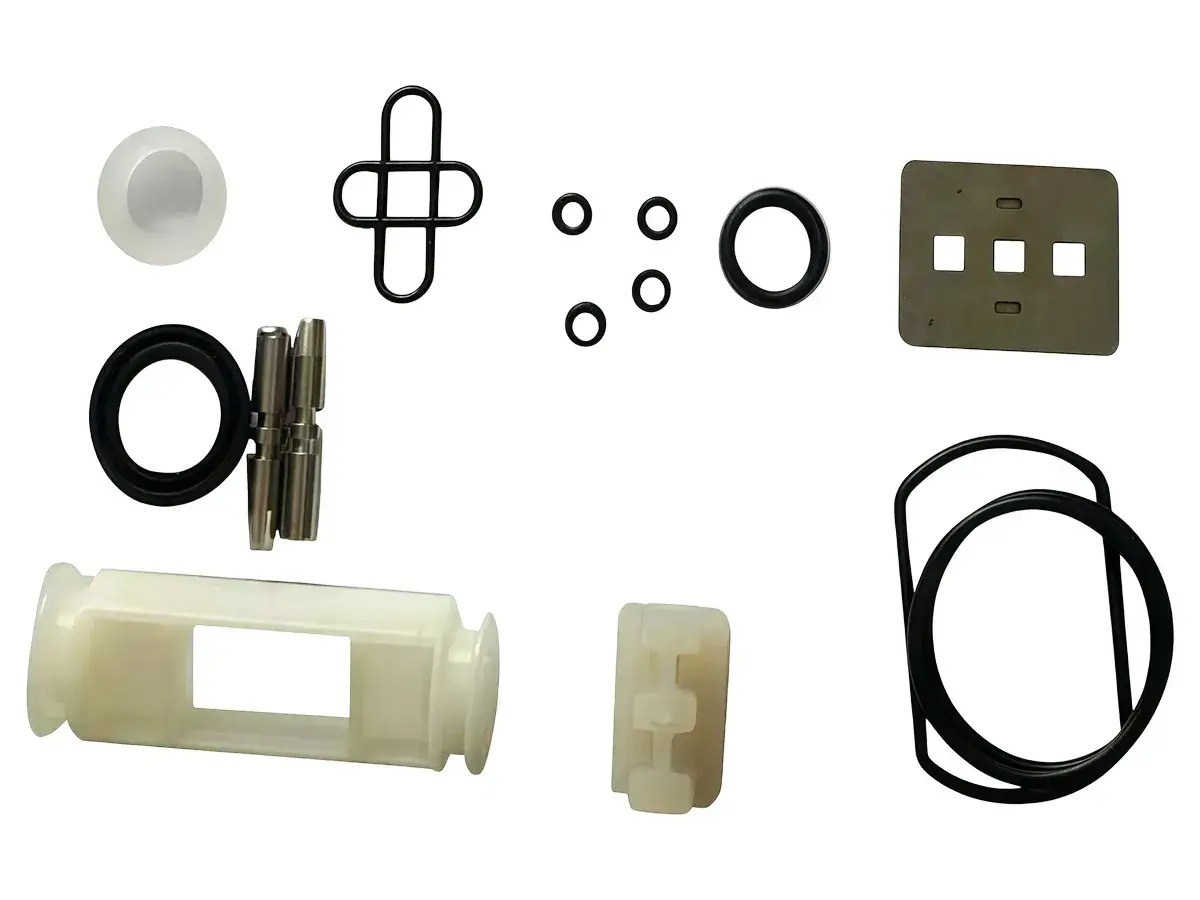
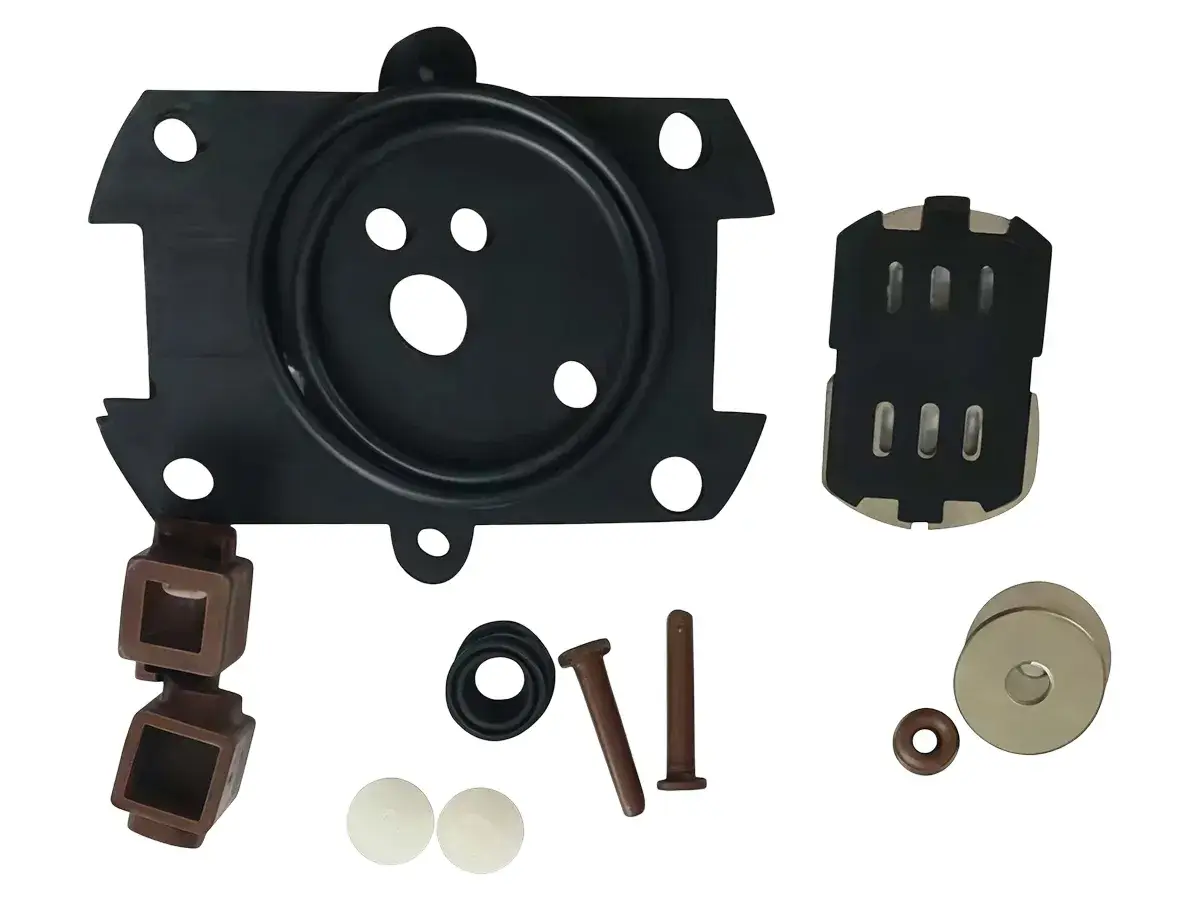
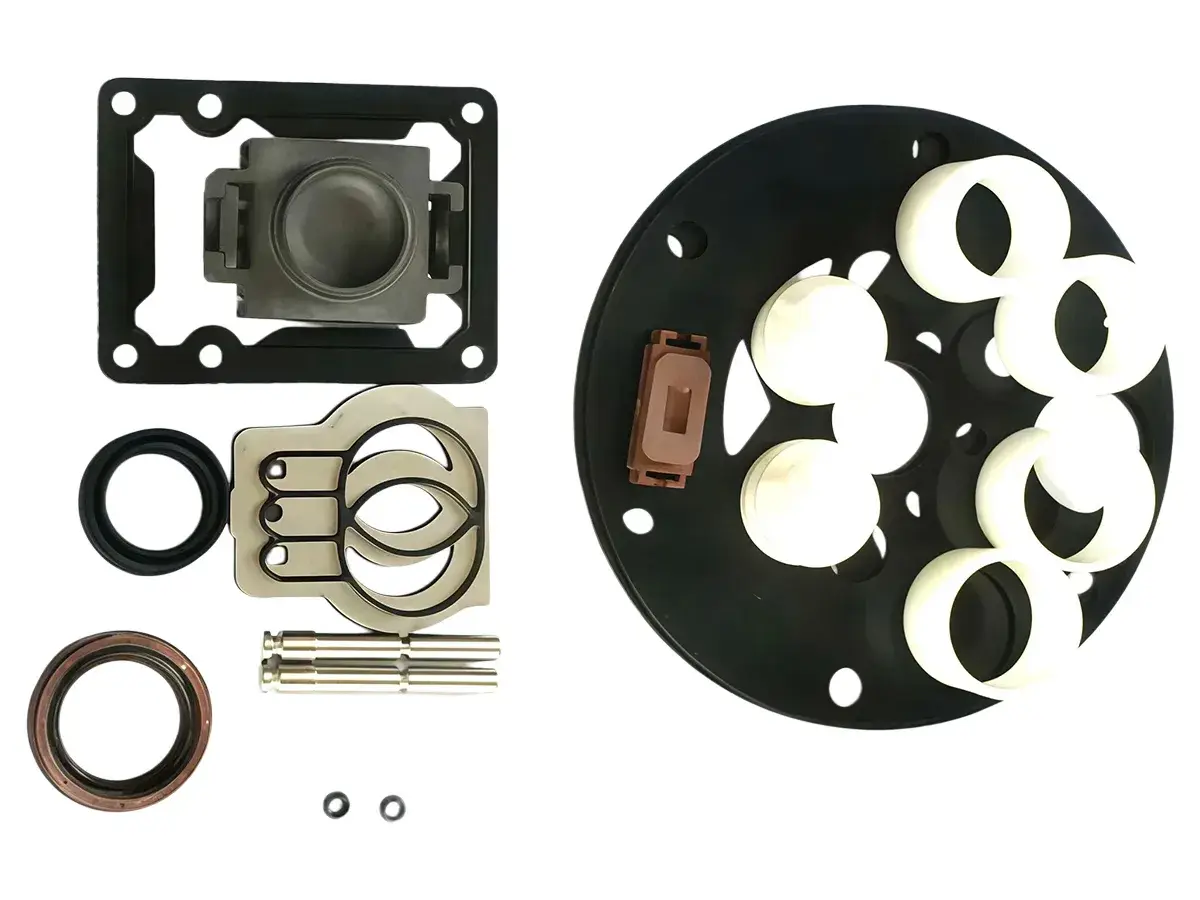
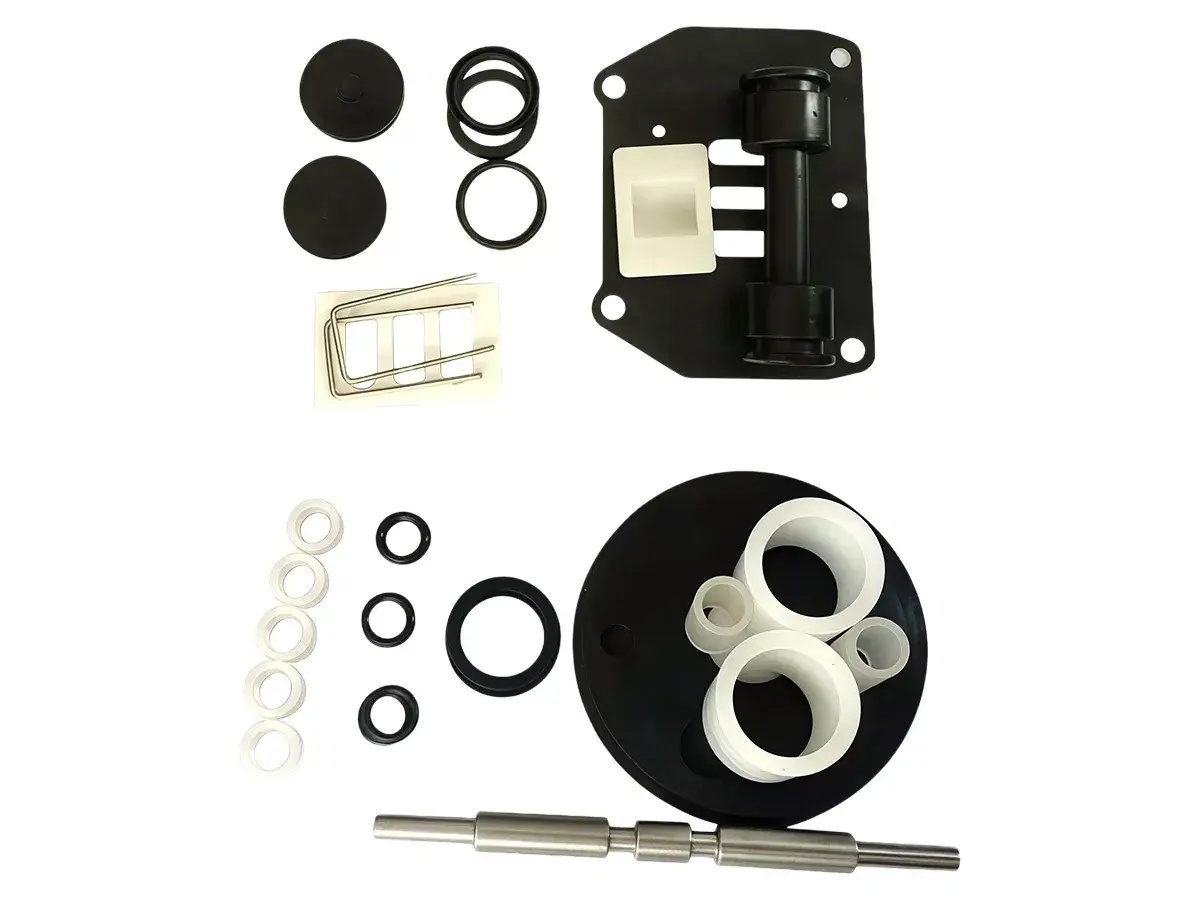
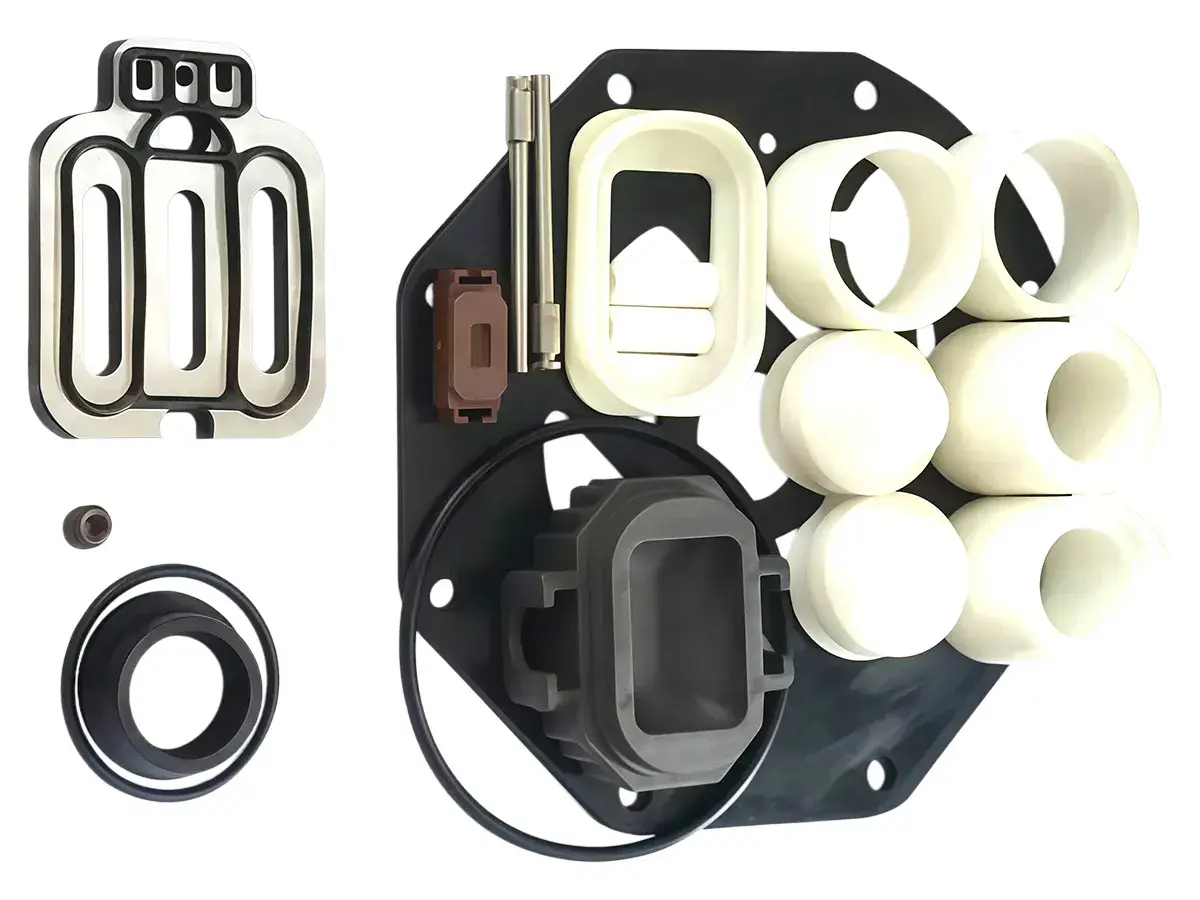
Accessories
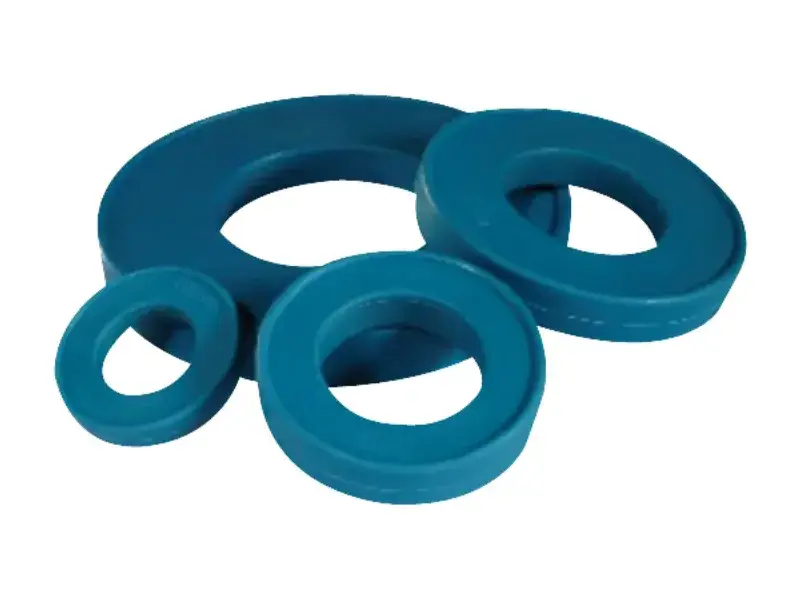
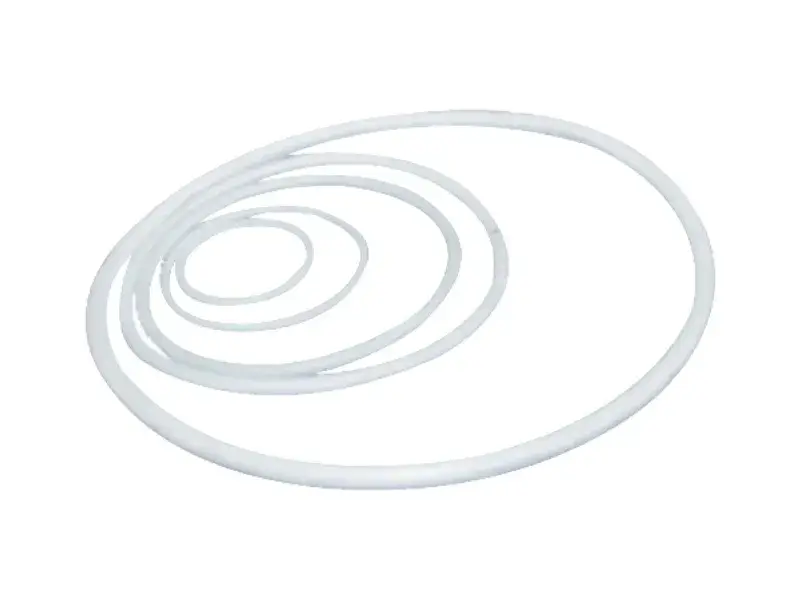
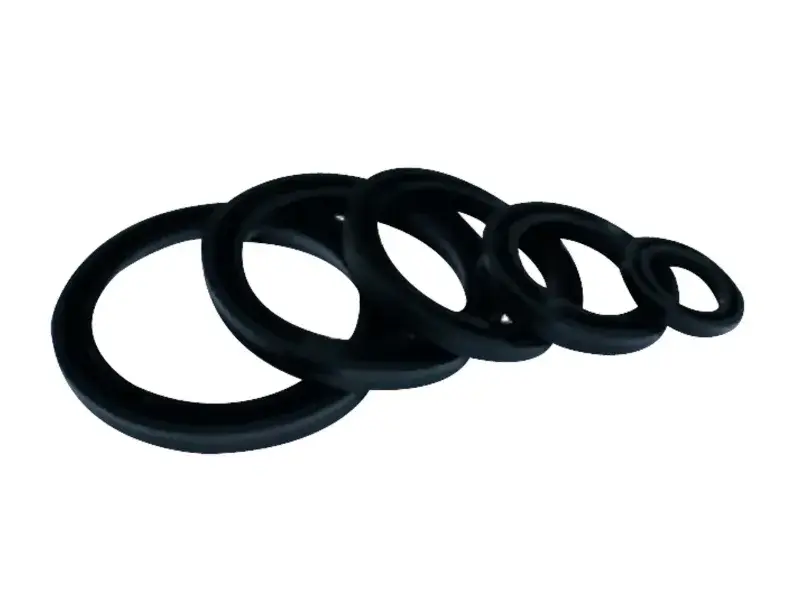
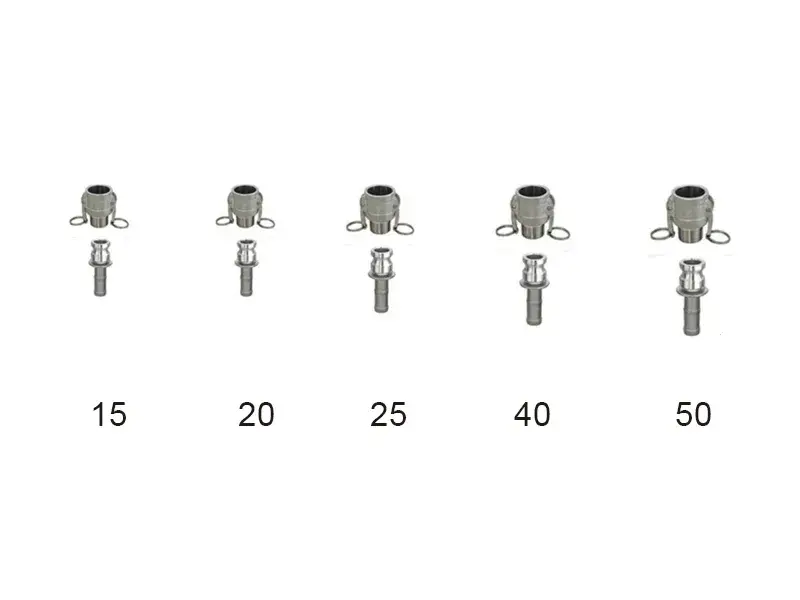
Diaphragms
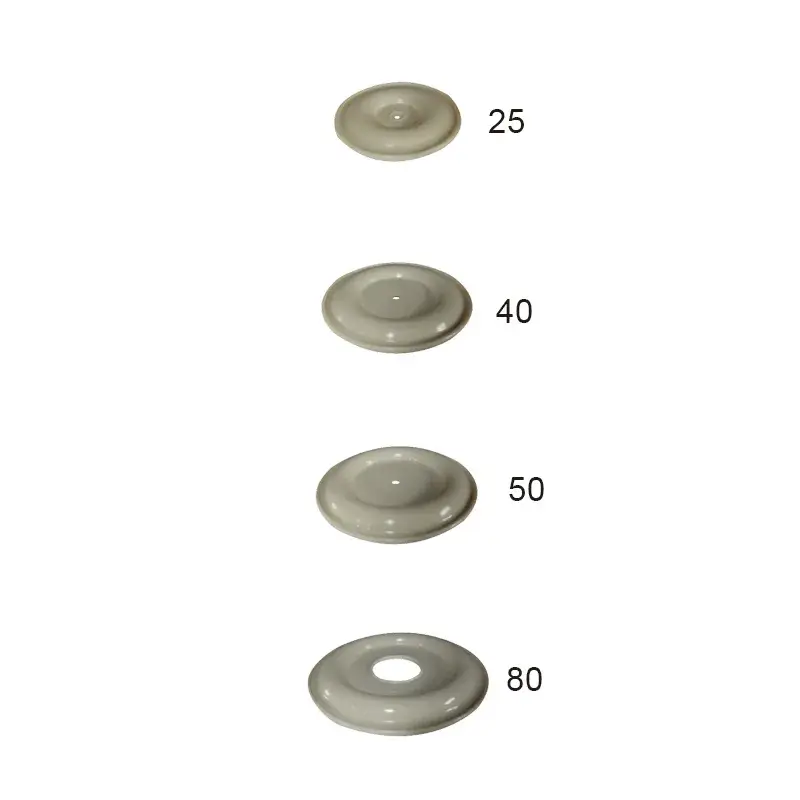
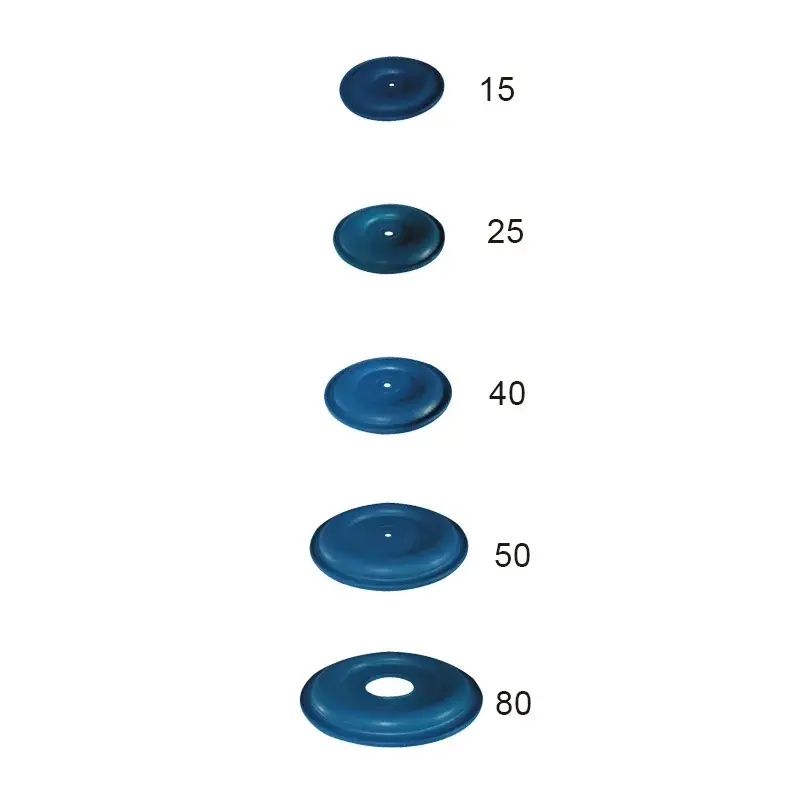
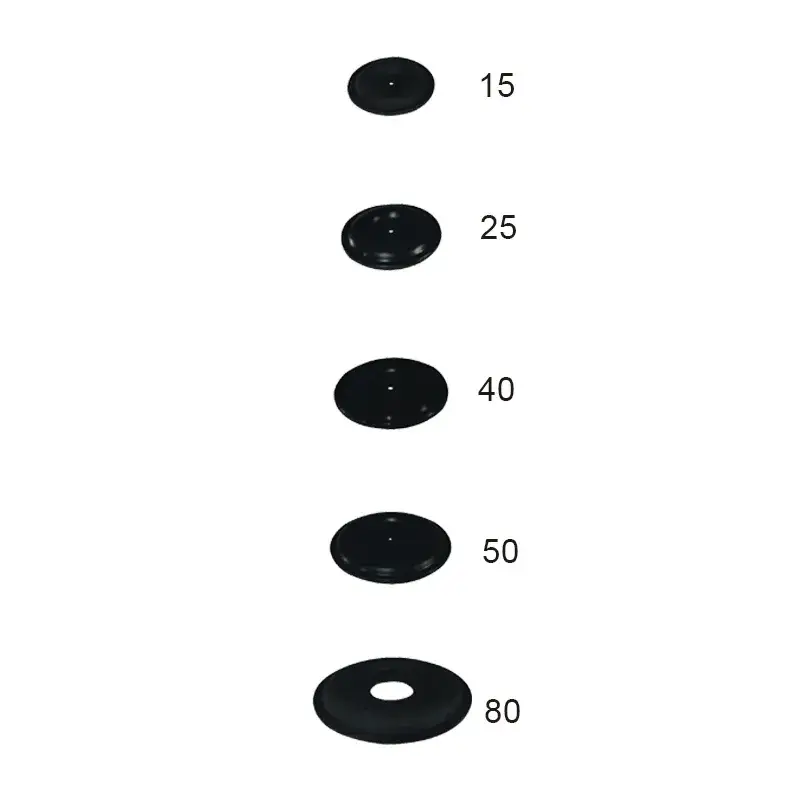
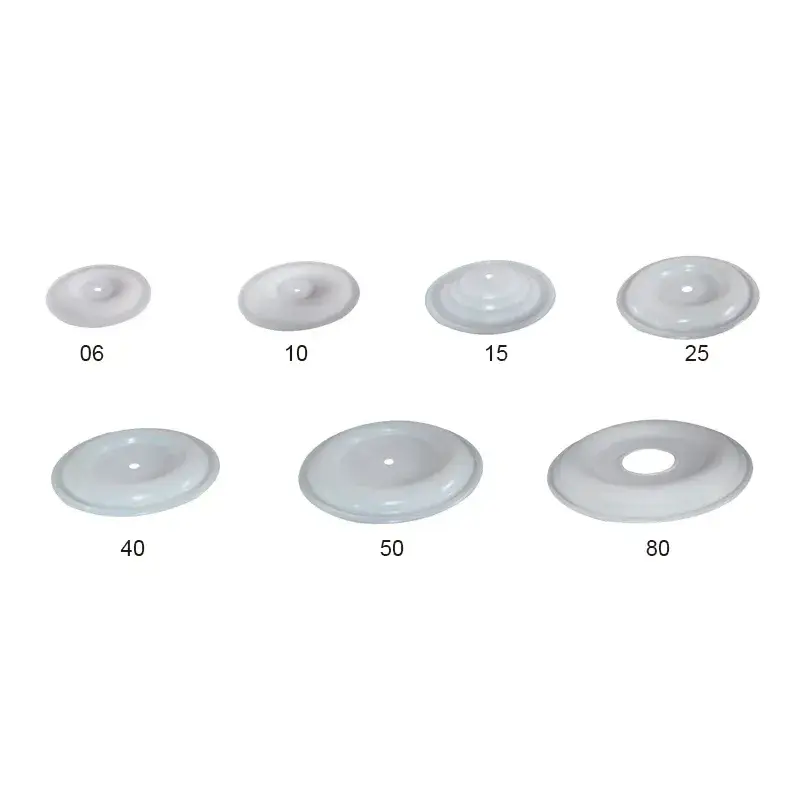
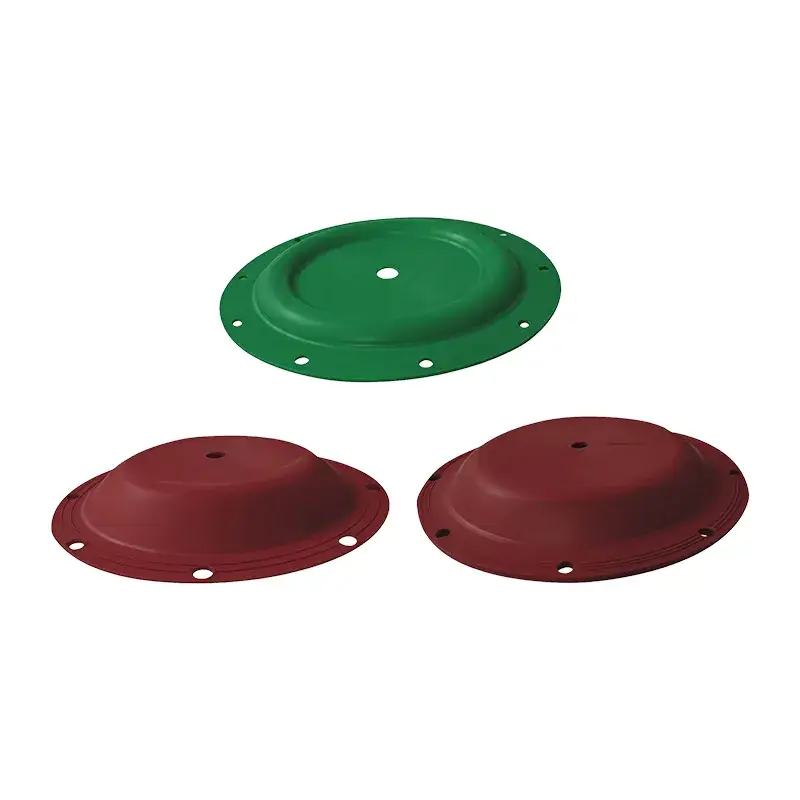
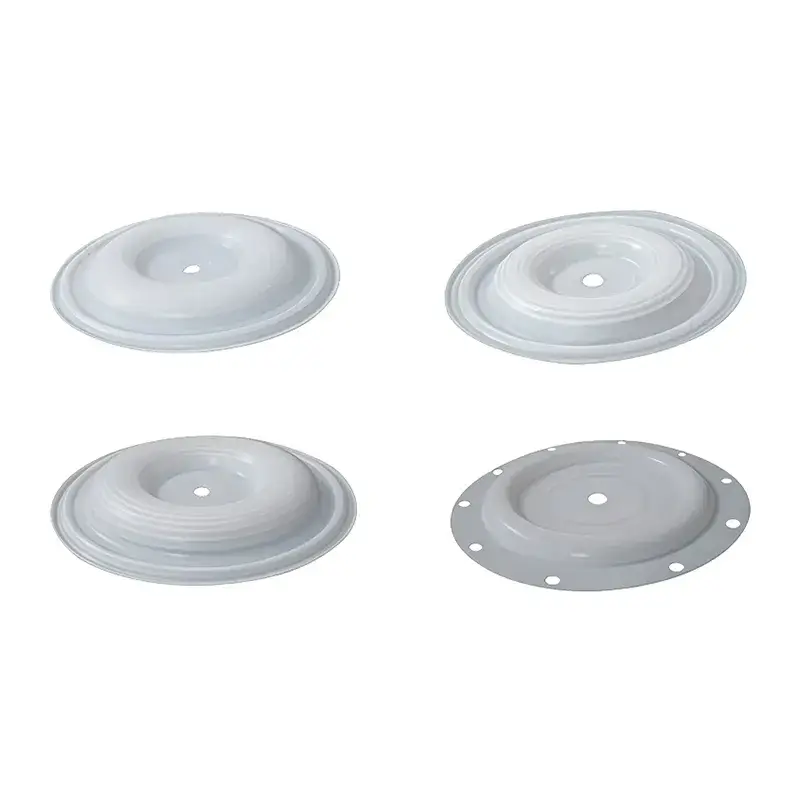
Diaphragms
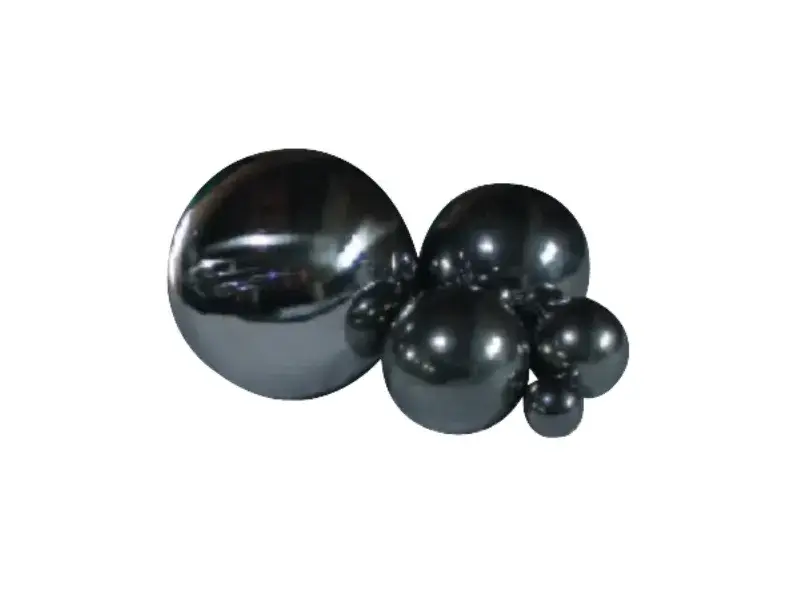
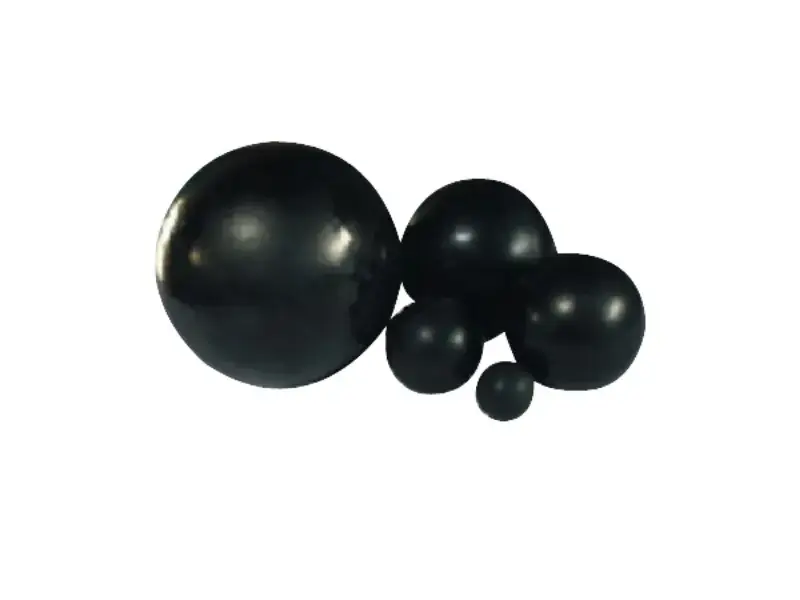
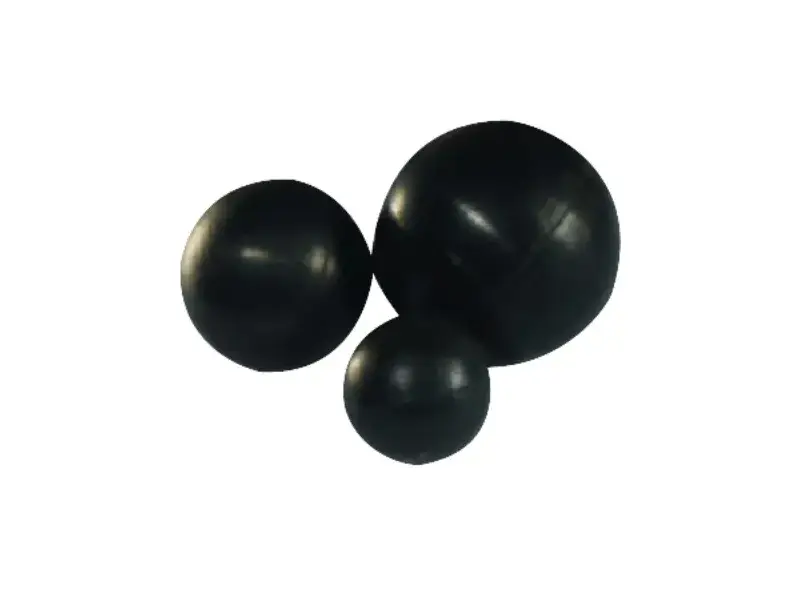
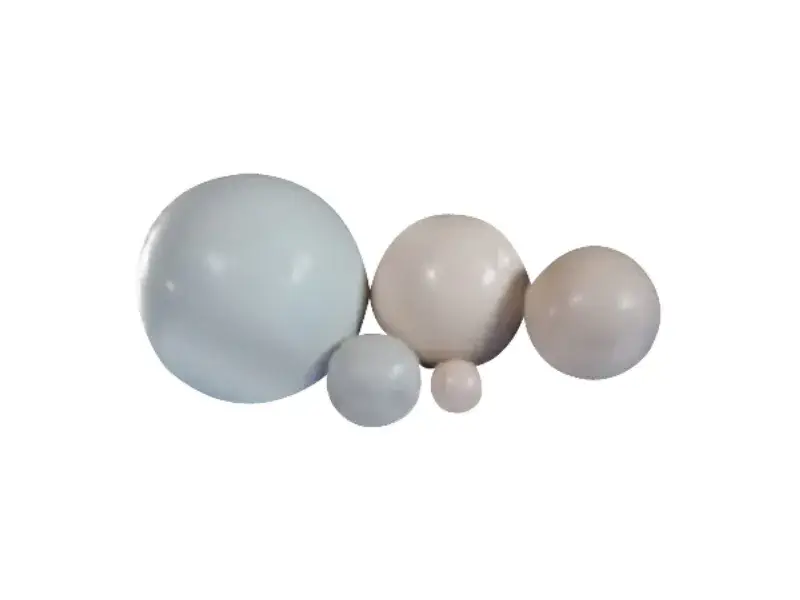
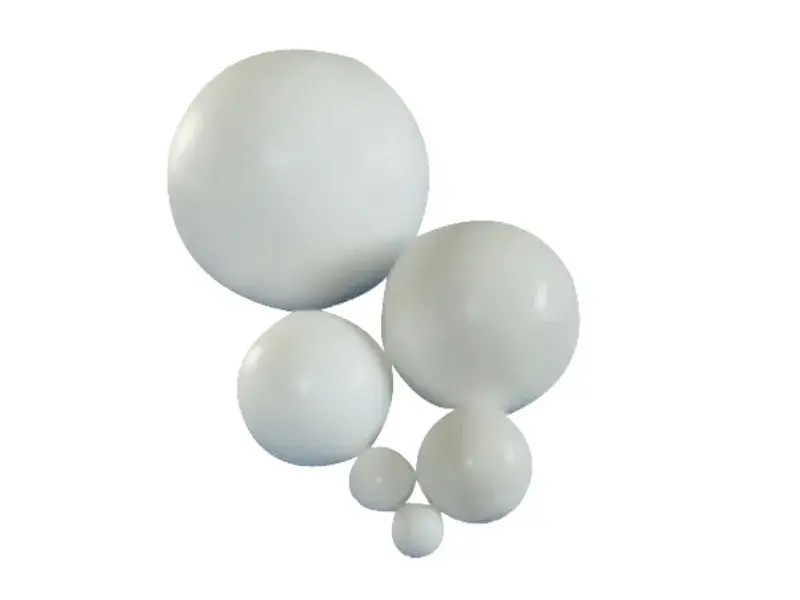
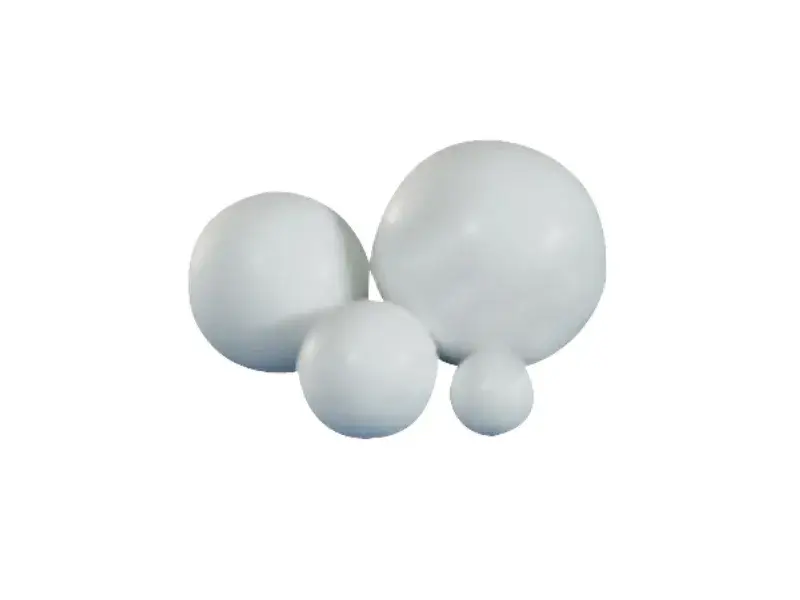
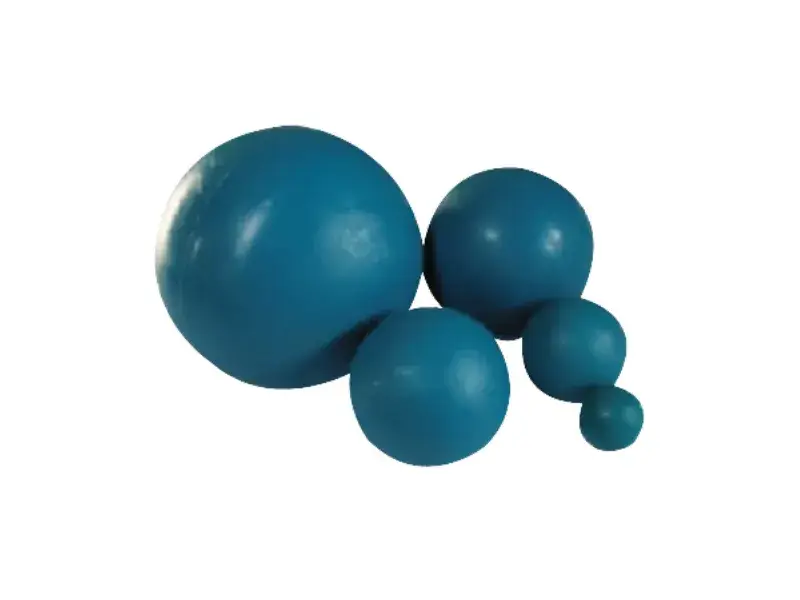
Valve Seats
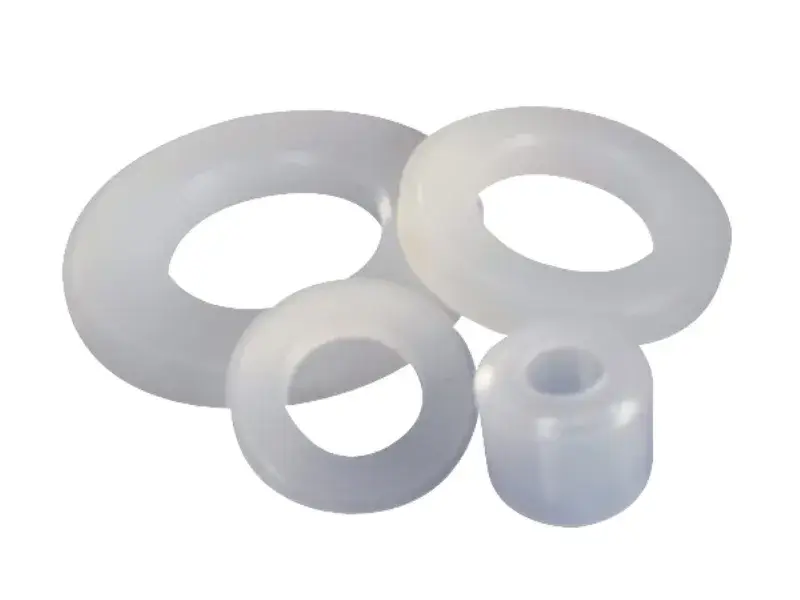
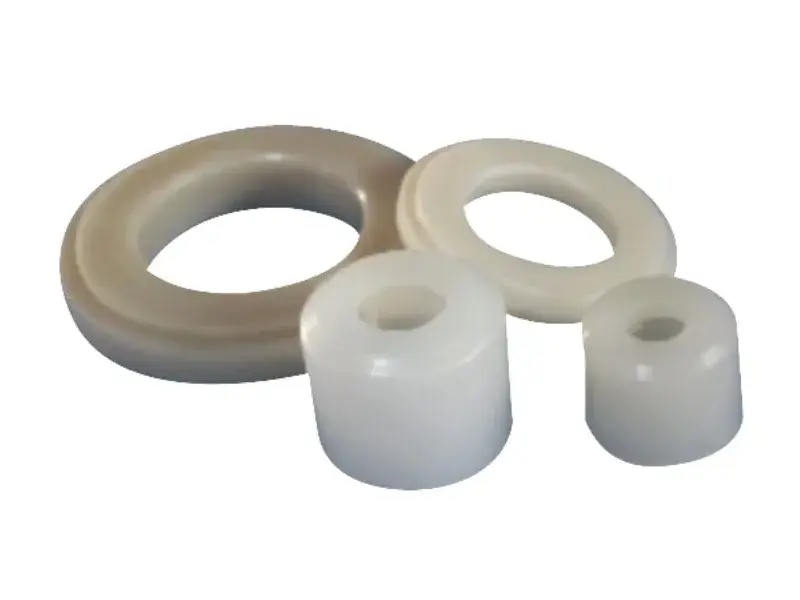
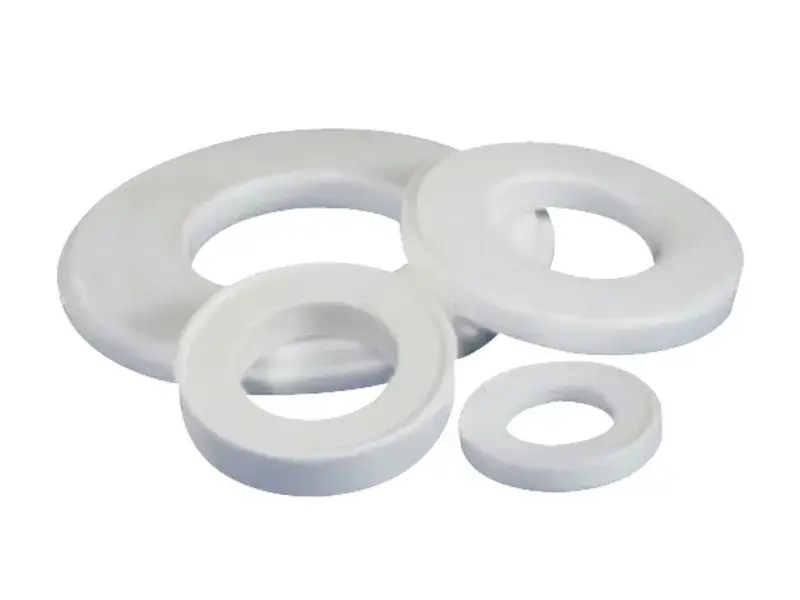
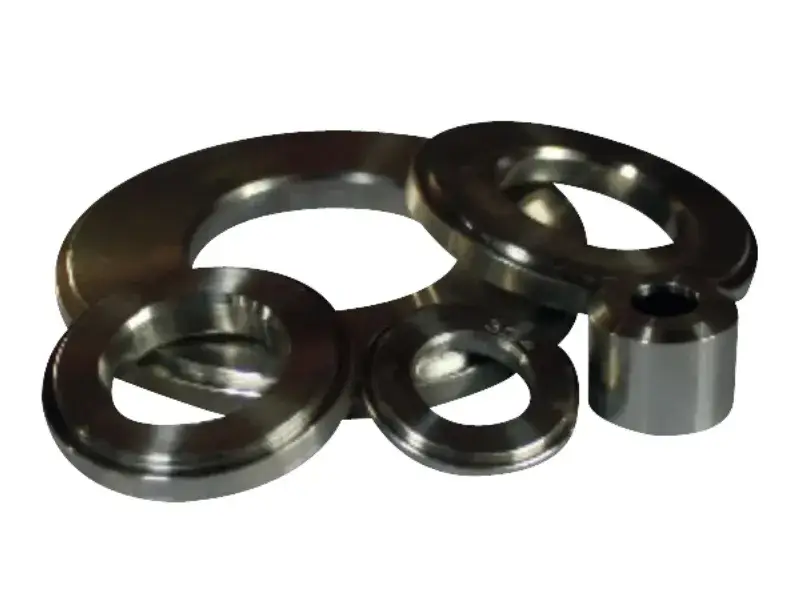
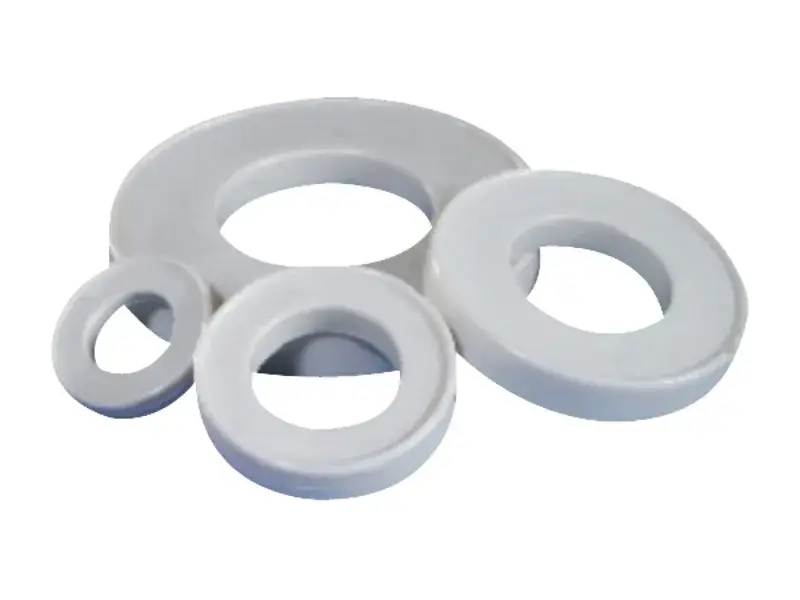
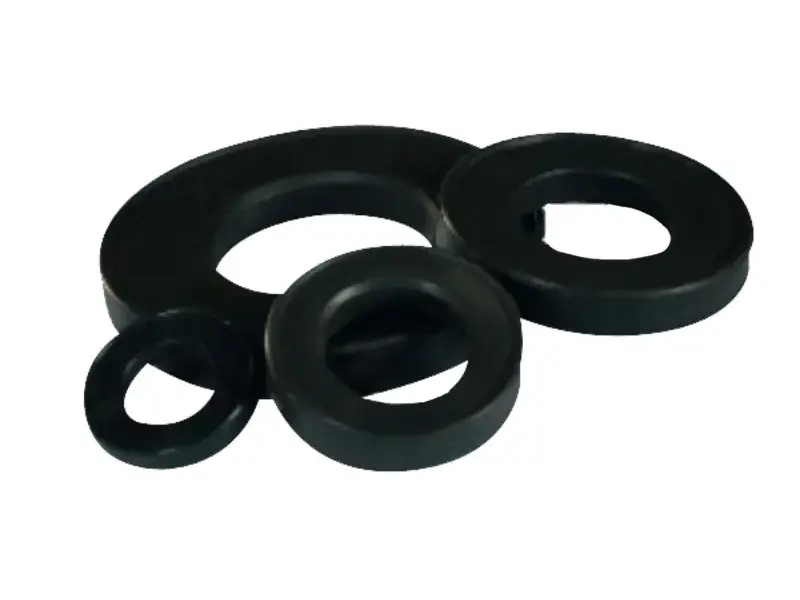
Diaphragm Pumps Selection FAQ
The maximum flow rate listed for a pump — does that apply to my application?
Not directly. The maximum flow rate shown in most pump specifications is measured under zero-discharge-pressure conditions using water. In real applications, flow rate varies significantly depending on your fluid's viscosity, the discharge pressure required, and the specific operating conditions at your site. This is why we recommend sharing your actual fluid type, required pressure, and piping setup with our engineers — so we can estimate real-world performance rather than relying on the catalog number alone.
Can I use a PP (polypropylene) pump for corrosive chemicals to save cost?
It depends on the chemical — this is one of the most common selection mistakes we see. PP is often chosen for its lower price, but many corrosive chemicals can gradually degrade PP, causing body deformation or even affecting the fluid's composition. A PP pump handling aggressive chemicals may only last about a year, while switching to PVDF — with significantly better chemical resistance — often extends service life well beyond that, making it the better value over time.
Why can't I just pick a pump based on the catalog specifications alone?
Catalog specs are tested under standardized conditions, not your actual operating environment. Matching the right pump requires reviewing your fluid type, viscosity, required pressure, and flow together — which is why our engineers confirm the final configuration before you order, rather than leaving it to catalog numbers alone.