
GINKAI Sanitary Electric Diaphragm Pumps VS. Competitors
Component Material
-
- High Strength
- Excellent High-Temperature Resistance
- Smooth Surface Finish
- Recyclability, aligning with sustainability principles
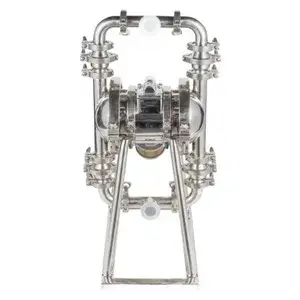 GINKAIComponent Material: 304 Stainless Steel
Key Characteristics:
-
- Moderate/Lower Strength
- Limited High-Temperature Resistance
- Soft Surface, Prone to Wear
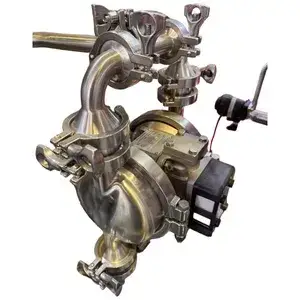 CompetitorComponent Material: Nickel-Plated Aluminum Alloy
Characteristics:
Design
-
- Seatless Ball Structure – Fewer parts and seals for enhanced safety and reliability.
- Superior Suction Performance – Generates stronger suction compared to conventional pumps.
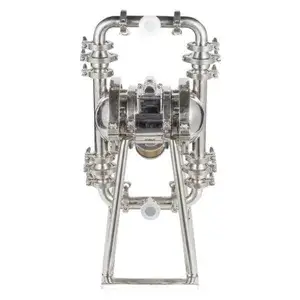 GINKAIUnique Pump Chamber Design
 -
- Creates Sanitation Dead Zones – difficult to clean thoroughly.
- Promotes Bacterial Growth – increased risk of contamination.
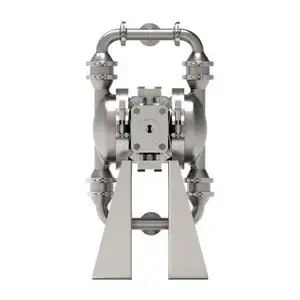 CompetitorConventional Ball Seat Design
Diaphragm
-
- Diaphragm Life: 20 Million Cycles
- Structure: Snap-fit Design
- Easy installation, no adjustment required
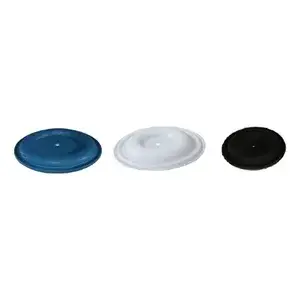 GINKAIMaterial: Santoprene, Teflon / PTFE
 -
- Diaphragm Life: 15 Million Cycles
- Structure: Perforated Mounting
- Precise positioning, less convenient installation
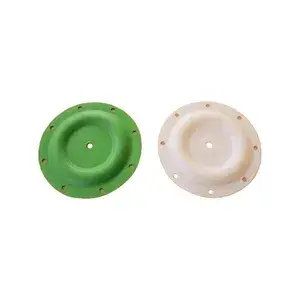 CompetitorMaterial: Santoprene, PTFE
Pump Body
-
- Surface Finish: Mirror Polished, Ra < 0.4µm
- Sanitary Design: No dead zones, easy to clean, no product retention
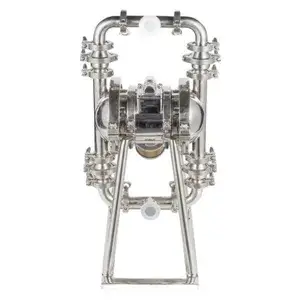 GINKAIPump Body (Optional Material): 316L Stainless Steel
 -
- Surface Finish: Mirror Polished, Ra < 0.8µm
- Higher Surface Roughness – increases cleaning difficulty.
- Prone to Product Residue & Bacterial Growth – poses contamination risk.
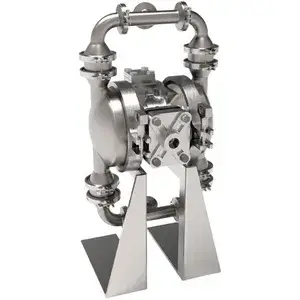 CompetitorPump Body Material: 316L Stainless Steel